
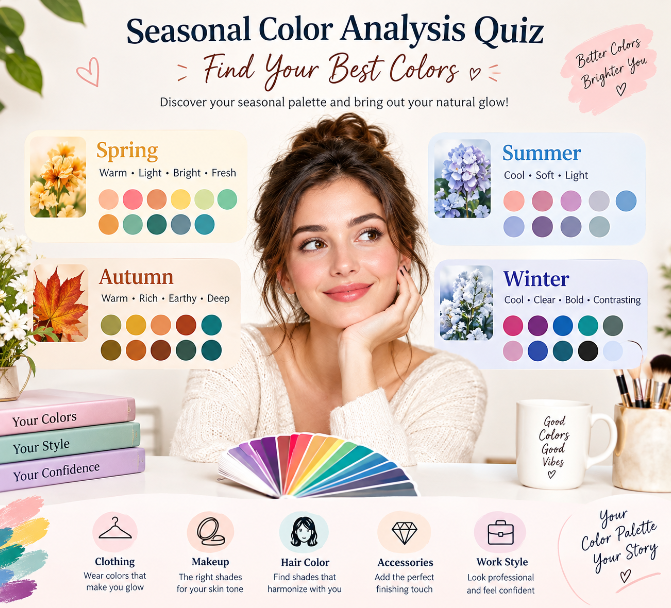
Choosing colors can feel confusing when some shades make you look fresh while others seem to wash you out. A seasonal color analysis quiz can help you discover which color family works best with your natural coloring. It can also guide your clothing, makeup, accessories, shopping choices, and everyday style.
What Is a Seasonal Color Analysis Quiz? 🎨
A seasonal color analysis quiz is a simple way to explore which color season may suit your natural coloring. Most quizzes look at features such as skin undertone, hair, eyes, contrast, and your response to different colors. The result usually points toward a seasonal palette you can use as a starting point.
The Four Main Seasons
The traditional system divides colors into four broad seasons:
- Spring: warm, light, bright, and fresh colors
- Summer: cool, soft, and lighter colors
- Autumn: warm, rich, earthy, and deeper colors
- Winter: cool, clear, bold, and contrasting colors
Some systems go further and divide these into 12 seasonal palettes, such as Soft Autumn, True Summer, or Deep Winter.
How Does the Color Season Quiz Work? 🔍
Most online quizzes ask questions about your natural coloring and how different shades appear on you. Some focus on skin, hair, and eyes, while others ask which colors look more flattering. Your answers are then matched with a likely seasonal palette and its recommended colors.
What the Quiz May Consider
A color season quiz may ask about:
- Skin undertone: warm, cool, or neutral
- Natural hair color
- Eye color and clarity
- Overall contrast between your features
- Whether you suit bright or muted shades
- How warm and cool colors appear on you
- Which jewelry tones look more harmonious
For better results, answer according to your natural coloring rather than your favorite colors.
What Are the Different Seasonal Color Palettes? 🌸
Each season represents a different combination of color temperature, depth, and intensity. Understanding these differences makes your quiz result more useful. Instead of simply knowing a season name, you can learn why certain shades work better and how to bring those colors into your wardrobe and personal style.
Spring Colors
Spring palettes often include warm, fresh, and lively shades. Depending on the system, colors may include peach, coral, warm pink, light green, turquoise, and creamy neutrals.
Summer Colors
Summer palettes generally lean cool and soft. Dusty rose, lavender, soft blue, cool pink, muted green, and gentle gray can work well within this color family.
Autumn Colors
Autumn is associated with warm, earthy, and rich shades. Think terracotta, olive, rust, mustard, warm brown, camel, and deep teal.
Winter Colors
Winter palettes often feature cool, clear, and stronger shades. Jewel tones, crisp white, black, cool red, emerald, cobalt, and icy colors may appear in these palettes.
What Does Your Quiz Result Mean? ✨
Your result is not simply a label. It gives you a starting point for understanding the colors that may harmonize with your natural features. Look beyond the season name and study the palette itself. Notice its temperature, depth, brightness, and softness before deciding which colors you want to wear.
If You Get Spring
Try warm and lively colors that create a fresh appearance. Light coral, peach, warm turquoise, and soft green can be useful starting points.
If You Get Summer
Explore cool and gentle colors. Soft blue, dusty pink, lavender, and muted berry shades can create a balanced look.
If You Get Autumn
Experiment with warm, grounded shades. Rust, olive, camel, chocolate brown, and warm teal can become useful wardrobe colors.
If You Get Winter
Look toward clear and contrasting colors. Deep jewel tones, cool reds, emerald, cobalt, and crisp neutrals can add definition.
How to Get a Better Seasonal Color Analysis Quiz Result? ☀️
Online quizzes are useful starting points, but the quality of your answers matters. Lighting, makeup, dyed hair, and screen settings can affect how you see colors. Taking the quiz thoughtfully can make the result more meaningful and help you understand whether the suggested palette actually matches your appearance.
Use Your Natural Coloring
Whenever possible, consider your natural hair color and natural skin appearance. Heavy makeup or strongly dyed hair can make color questions harder to answer.
Use Good Lighting
Natural daylight is usually more helpful than colored indoor lighting. Strong yellow or blue lighting can change how your skin and clothing colors appear.
Do Not Choose Your Favorite Color
A favorite color is not automatically your most flattering color. Answer based on what appears harmonious with your natural coloring.
Compare the Palette
Do not judge the result from one color alone. Look at several recommended shades together and see whether the overall palette feels consistent.
What If Your Quiz Result Does Not Feel Right? 🤔
It is possible to receive different results from different online quizzes. This can happen because quizzes use different questions, color systems, images, and scoring methods. You may also sit between two seasonal categories. Instead of immediately rejecting the result, compare the suggested palettes and look for repeated patterns.
Compare Similar Seasons
If you receive Autumn from one quiz and Winter from another, compare both palettes. Ask whether you consistently look better in warm or cool, muted or clear, and lighter or deeper colors.
Test Colors in Real Life
Place different colored clothing near your face in natural daylight. Look for signs such as a more even-looking complexion, clearer features, and better overall balance.
Remember That Online Results Are Estimates
A free online color analysis can be helpful for exploration, but it cannot perfectly reproduce every condition of an in-person analysis. Treat the result as guidance rather than an absolute rule.
How Can You Use Your Color Season in Daily Life? 👗
The real value of a seasonal color analysis quiz comes after you receive the result. Your palette can make everyday decisions easier, from choosing a shirt to buying makeup. You do not need to replace your entire wardrobe. Start with colors that sit close to your face and gradually add shades that work well for you.
Clothing and Wardrobe
Use your best colors for tops, dresses, jackets, scarves, and other pieces near your face. Neutral colors from your palette can also make everyday outfits easier to coordinate.
Makeup
Your seasonal palette can help you explore lipstick, blush, eyeshadow, and other makeup shades. Choose tones that work with your overall coloring rather than following a trend blindly.
Hair Color
Color analysis can also provide ideas when considering a new hair shade. Compare potential colors with your natural coloring before making a major change.
Jewelry and Accessories
Your palette can guide choices such as jewelry, glasses, scarves, handbags, and other accessories. These smaller details can bring your preferred colors into an outfit without a complete wardrobe change.
How Can Color Analysis Help at Work? 💼
Your color palette can also support a polished work wardrobe. Instead of spending extra time deciding what to wear, you can build outfits around a smaller group of colors that coordinate easily. This can make shopping and getting dressed simpler while still allowing you to express your personal style.
Build Simple Work Outfits
Choose a few reliable neutrals and combine them with your most flattering accent colors. This creates more outfit combinations without buying unnecessary pieces.
Choose Professional Accent Colors
If your workplace requires a polished appearance, use stronger seasonal colors through shirts, blouses, ties, scarves, or accessories. Your palette can help you stay professional while adding personality.
Seasonal Color Analysis Quiz vs. Professional Analysis 🔎
An online quiz is convenient, quick, and often free, making it a useful first step for anyone curious about personal color analysis. Professional analysis usually involves more detailed observation and controlled comparison. If online results remain confusing, professional guidance may provide additional clarity.
When an Online Quiz Is Enough
A free quiz can be useful when you want general direction, a starting palette, or ideas for clothing and shopping.
When More Guidance May Help
If several quizzes produce very different results or you struggle to compare colors accurately, a professional assessment may give you a more detailed evaluation.
What is a seasonal color analysis quiz?
It is an online quiz designed to help identify the color season and palette that may work best with your natural coloring.
Is a free color analysis quiz accurate?
It can provide useful guidance, but online results are estimates and may vary between different quiz systems.
How do I find my color season?
Take a reliable quiz, answer according to your natural coloring, and compare the suggested palette with colors tested in natural daylight.
Can my color season help with makeup?
Yes. Your palette can help you explore suitable lipstick, blush, eyeshadow, and other makeup tones.
Can I use color analysis for my work wardrobe?
Yes. Your seasonal palette can help you choose coordinated professional clothing, neutrals, and accent colors more confidently.
Conclusion
A seasonal color analysis quiz can be a helpful first step toward understanding your personal color palette. Use the result as guidance, test colors in real life, and focus on shades that make you feel comfortable and confident. The goal is not strict rules—it is making everyday style, shopping, and wardrobe decisions easier.